
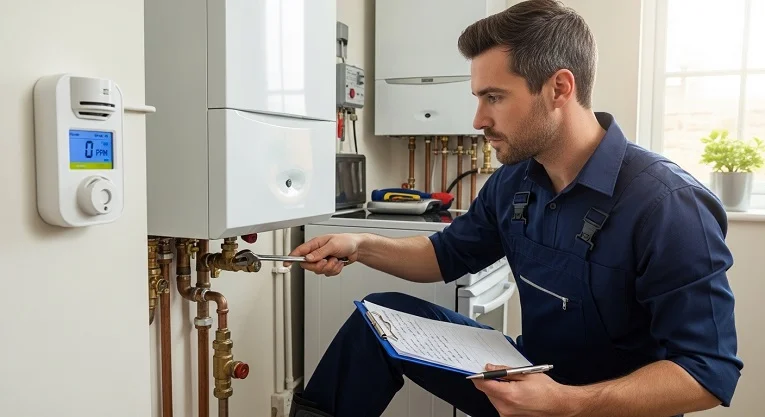
Gas safety is a critical responsibility for landlords, property managers, and business owners. Faulty gas appliances or poorly maintained systems can lead to dangerous leaks, fires, or even carbon monoxide poisoning. To ensure safety, many countries require that properties with gas appliances have a valid Gas Safety Certificate.
A Gas Safety Certificate is a document issued by a qualified engineer after inspecting gas appliances and installations in a property. It confirms that all gas equipment is safe to use and complies with legal regulations. This certificate not only protects tenants but also helps landlords and property owners meet their legal obligations.
This guide explains everything you need to know about Gas Safety Certificates, including the process of obtaining one, legal requirements, and tips for maintaining a safe property.
What Is a Gas Safety Certificate?
A Gas Safety Certificate is an official document that confirms a property’s gas appliances, pipework, and fittings are safe for use. It is issued after a professional inspection by a registered gas engineer. In many countries, landlords are legally required to obtain a Gas Safety Certificate annually for all rental properties with gas appliances.
The certificate includes:
- Details of the inspected appliances
- The engineer’s registration number
- Date of inspection
- Any safety checks carried out
- Notes on any defects or issues found
This document assures that tenants can use gas appliances safely and that the property complies with regulations.
Why Gas Safety Certificates Are Important
Gas safety is not just a legal requirement; it is a vital aspect of protecting lives. Faulty appliances, gas leaks, or poorly maintained systems can result in fires, explosions, or carbon monoxide poisoning. Carbon monoxide is an invisible and odorless gas that can be fatal if inhaled.
Having a valid Gas Safety Certificate ensures that:
- All appliances are inspected and are functioning safely
- Tenants are protected from gas-related hazards
- Landlords comply with safety regulations and avoid legal penalties
- Property insurance remains valid in case of incidents
Regular inspections and certification provide peace of mind for both landlords and tenants.
Which Properties Require a Gas Safety Certificate?
A Gas Safety Certificate is required for:
- Residential rental properties: Flats, apartments, and houses with gas appliances
- Commercial properties: Offices, restaurants, and businesses using gas boilers or equipment
- New installations: Any newly installed gas appliance or system must be inspected and certified
Even if a property owner manages a private home, having a Gas Safety Certificate is a best practice to ensure safety and prevent hazards.
The Gas Safety Inspection Process
The process of obtaining a Gas Safety Certificate typically involves the following steps:
- Hire a registered gas engineer – Only a certified professional can legally issue a Gas Safety Certificate.
- Schedule an inspection – The engineer examines all gas appliances, pipework, and connections.
- Safety checks – The engineer tests for leaks, proper ventilation, correct installation, and operational efficiency.
- Issue of certificate – If all appliances pass inspection, a Gas Safety Certificate is issued.
- Address defects – Any unsafe appliances or installations are noted, and repairs must be completed before the certificate is valid.
This structured inspection ensures that all gas systems are safe for use and legally compliant.
Common Issues Found During Gas Safety Inspections
Some of the most common problems identified during inspections include:
- Gas leaks from appliances or pipe connections
- Blocked or improperly installed flues
- Faulty or outdated appliances
- Poor ventilation around gas equipment
- Carbon monoxide detectors are not installed or are not working
Identifying these issues early helps prevent accidents, protect tenants, and avoid legal consequences for property owners.
Legal Obligations for Landlords
Landlords are responsible for ensuring their rental properties are safe. Gas Safety Certificates are a legal requirement in many regions, and failing to comply can lead to severe penalties. Key obligations include:
- Conducting an annual gas safety inspection
- Issuing a copy of the Gas Safety Certificate to tenants within a specified time
- Maintaining records of inspections for future reference
- Ensuring that any repairs or replacements are completed promptly
By adhering to these legal requirements, landlords safeguard both their tenants and themselves.
Tips for Maintaining Gas Safety in Properties
To maintain gas safety and comply with certification requirements:
- Schedule annual inspections with registered engineers
- Regularly check appliances for signs of damage or malfunction
- Install carbon monoxide detectors near gas appliances
- Educate tenants about safe gas usage and emergency procedures
- Keep records of all inspections, repairs, and certificates
Consistent attention to gas safety prevents hazards and maintains tenant trust.
Benefits of a Gas Safety Certificate
Obtaining a Gas Safety Certificate provides numerous advantages:
- Ensures tenants’ safety and peace of mind
- Demonstrates legal compliance and reduces liability
- Helps prevent costly gas-related accidents
- Supports property insurance claims in case of incidents
- Provides a documented record for property management purposes
A valid Gas Safety Certificate is an investment in safety, legal compliance, and professional property management.
Conclusion
A Gas Safety Certificate is an essential document for landlords, property managers, and anyone responsible for gas appliances. It confirms that gas systems are safe to use and compliant with regulations. By scheduling regular inspections, addressing defects, and maintaining records, property owners protect tenants, comply with legal obligations, and reduce the risk of gas-related accidents.
Prioritizing gas safety through regular inspections and certification ensures a secure and safe environment for all occupants, while also safeguarding the property owner from legal and financial consequences.