
Why a Calm Room Matters
Every home benefits from having at least one space that feels genuinely calm, a place to sit quietly, gather your thoughts, or simply switch off from the noise of the rest of the house. Creating this kind of space does not require a spare room or a big budget, just a thoughtful approach to a corner or room you already have.
Choose Soft, Muted Colours
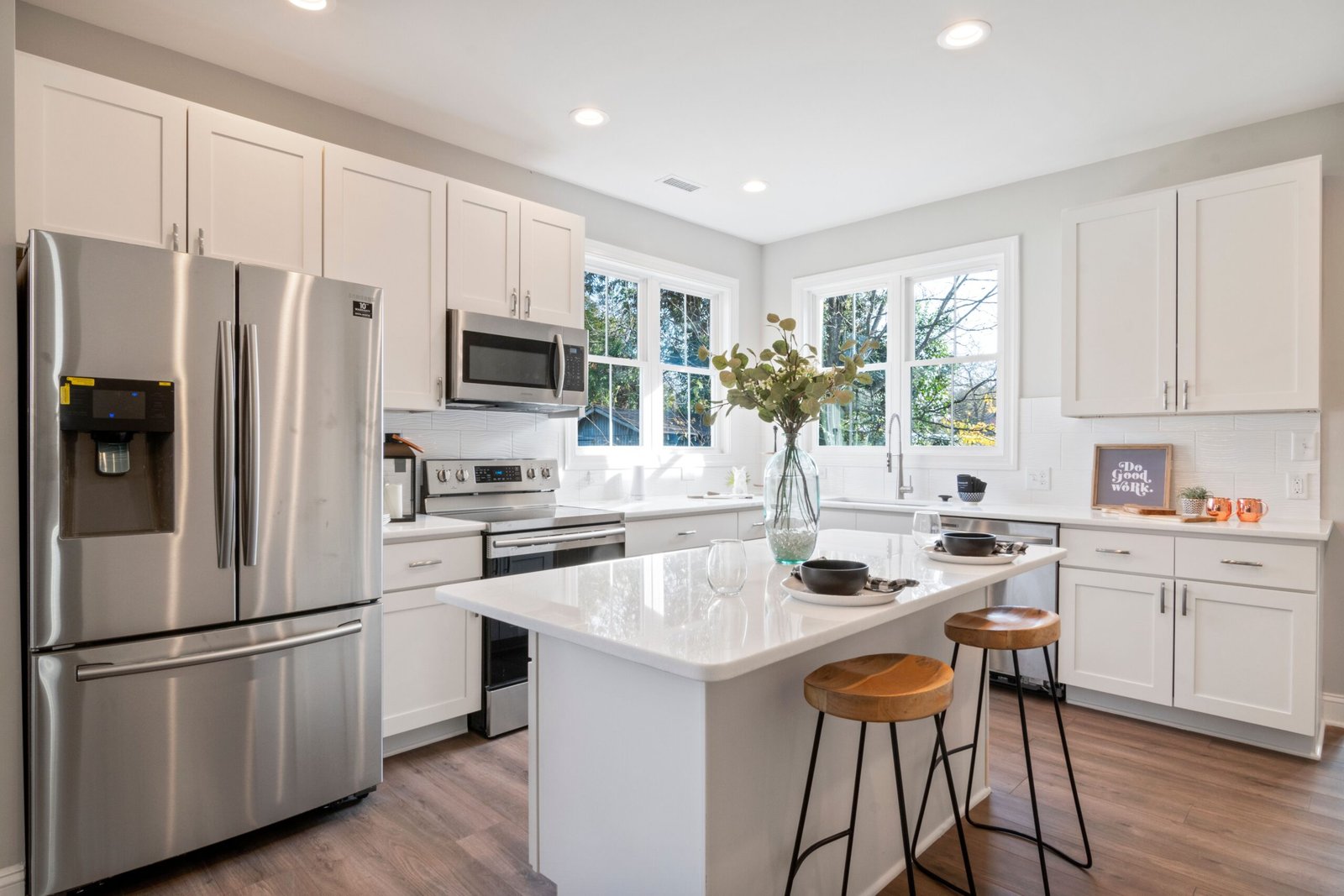
Pale neutrals, soft greens, and warm greys tend to feel more calming than bright, saturated colours. Avoid high-contrast patterns in this particular space, and lean instead toward a soft, cohesive palette that does not compete for attention.
Layer Soft Lighting
Harsh overhead lighting works against a calm atmosphere. Instead, layer a few softer light sources, a table lamp, a floor lamp, or warm-toned bulbs, so the room can be lit gently rather than starkly. Dimmable options give you extra control depending on the time of day.
Bring in Natural Textures
Wood, linen, wool, and other natural materials add warmth and softness that synthetic materials rarely match. A wool throw, a linen cushion cover, or a simple wooden side table all contribute to a space that feels grounded and comfortable.
Add a Comfortable Seat
A single well-chosen armchair, positioned somewhere quiet, gives the room a clear purpose. Add a soft throw and a cushion or two, and it becomes a genuine spot to sit and unwind rather than just another piece of furniture.
Reduce Visual Clutter
A calm space needs breathing room. Keep surfaces relatively clear, store away anything not actively in use, and resist the urge to fill every shelf. Empty space is not wasted space in a room designed for quiet.
Bring in a Plant or Two
A houseplant adds life and a sense of calm to a room without requiring much effort. Low-maintenance varieties work well if you would rather not think too much about care.
Frequently Asked Questions
What is the easiest way to make a small space feel calmer?
Decluttering and softening the lighting are usually the two changes that make the biggest difference for the least effort or cost.
Do I need a whole spare room for a calm space?
No. A single corner with a comfortable chair, good lighting, and a few calming touches can work just as well as a dedicated room.
What colours should I avoid in a calming space?
Bright, high-contrast, or heavily patterned colour schemes tend to work against a calm atmosphere. Softer, more muted tones generally suit this kind of space better.