
Fire Risk Assessment for Landlords and Property Owners
Fire safety is a critical responsibility for anyone who owns or manages a building. Fires can occur suddenly and cause significant damage to property, disrupt businesses, and threaten human lives. Because buildings contain electrical systems, heating equipment, and various materials that can ignite, it is important to regularly review fire safety conditions.
One of the most effective ways to manage fire safety is through a Fire Risk Assessment. This process evaluates the potential fire hazards within a property and determines whether appropriate safety measures are in place.
For landlords, property managers, and business owners, understanding fire safety responsibilities helps protect tenants, employees, and visitors. Proper planning and regular inspections can significantly reduce the risk of fire related incidents.
This article explains how fire safety assessments work, why they are important for property owners, and how to maintain safe buildings.
Understanding the Purpose of Fire Safety Assessments
A Fire Risk Assessment is a systematic review of a building to identify fire hazards and evaluate how those hazards could affect people in the building. The main purpose of this process is to identify potential risks and implement measures that reduce the chances of a fire occurring.
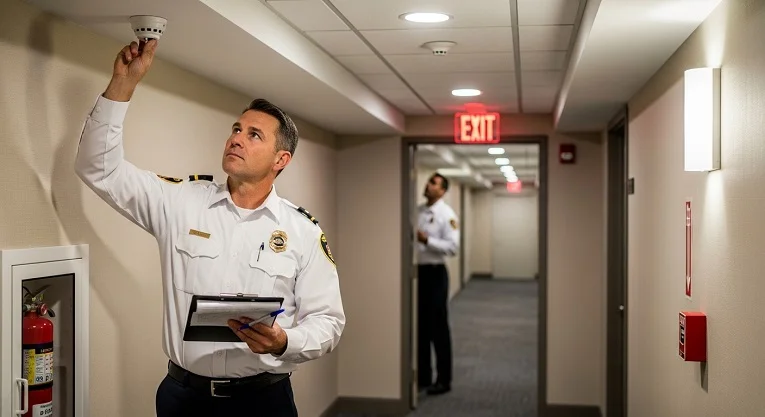
During an inspection, trained professionals examine different areas of the building to detect sources of ignition, combustible materials, and safety concerns that could hinder evacuation during an emergency.
The inspection also evaluates existing fire protection equipment such as smoke alarms, fire extinguishers, emergency lighting, and alarm systems. These systems must operate properly to ensure occupants receive early warning and can exit the building safely.
Once the inspection is complete, the assessor prepares a report detailing the findings and recommending improvements where necessary.
Why Landlords Must Prioritize Fire Safety
Landlords have a legal and ethical duty to ensure that their properties provide safe living environments. Residential buildings often house multiple occupants who rely on building owners to maintain proper safety standards.
A Fire Risk Assessment helps landlords identify hazards that might otherwise go unnoticed. Electrical appliances, heating systems, and cooking equipment are all potential sources of fire within residential properties.
Apartment buildings also require clear escape routes so residents can evacuate quickly during emergencies. Staircases, hallways, and exits must remain unobstructed and properly illuminated.
Another important factor is the installation of fire detection systems. Smoke detectors and alarms should be installed in strategic locations to alert residents at the earliest sign of smoke.
By maintaining proper safety systems and conducting regular inspections, landlords can reduce fire risks and protect their tenants.
Businesses and Workplace Fire Safety
Commercial buildings often present additional fire risks because they contain specialized equipment, machinery, and large numbers of employees. Offices, retail stores, warehouses, and factories must all maintain high standards of fire safety.
A Fire Risk Assessment in commercial environments helps identify hazards such as overloaded electrical systems, combustible storage materials, or unsafe workplace practices.
For example, warehouses that store paper products or chemicals may face higher fire risks if materials are not stored correctly. Manufacturing facilities that operate machinery also require strict safety procedures to prevent overheating or sparks.
Regular inspections allow businesses to monitor these risks and maintain safe working conditions.
Key Elements of a Fire Safety Inspection
Fire safety inspections typically focus on several important components within a building. The first area of evaluation involves identifying ignition sources. These sources include electrical equipment, heaters, lighting fixtures, and cooking appliances.
Inspectors also review the presence of combustible materials such as furniture, paper, fabrics, and chemicals that could fuel a fire.
Escape routes are another critical element. Inspectors ensure that corridors and staircases remain accessible and clearly marked with exit signs. Emergency lighting must function properly so occupants can navigate the building during power failures.
Fire detection systems are also carefully examined. Smoke detectors, heat detectors, and alarm systems must be installed correctly and maintained regularly.
Common Fire Hazards in Residential and Commercial Buildings
Many fires start due to preventable hazards that accumulate over time. Electrical faults are among the most common causes of building fires. Damaged wiring, loose connections, and overloaded circuits can generate excessive heat and sparks.
Another common hazard involves improper storage of flammable materials. Cleaning chemicals, fuels, and paper products should always be stored safely away from ignition sources.
Blocked exits are also dangerous because they delay evacuation during emergencies. Corridors filled with furniture or storage items can prevent occupants from leaving quickly.
Poor maintenance of heating equipment may also contribute to fire risks. Boilers, space heaters, and ventilation systems should be inspected regularly to ensure they operate safely.
By identifying these hazards through regular inspections, building owners can reduce the likelihood of a fire incident.
Fire Protection Equipment Every Building Should Have
Fire safety equipment is essential for preventing small fires from becoming large disasters. Smoke detectors are one of the most important devices because they provide early warnings when smoke is detected.
Fire extinguishers allow occupants to control minor fires before they spread. Buildings should have extinguishers that are appropriate for the types of materials present in the environment.
Emergency lighting systems help guide occupants toward exits if visibility is reduced by smoke or power outages.
Fire doors also play an important role in preventing flames and smoke from spreading throughout the building.
A Fire Risk Assessment helps confirm whether these systems are properly installed and maintained.
How Often Fire Safety Reviews Should Be Conducted
Fire safety conditions can change over time as buildings age or as occupants introduce new equipment and materials. For this reason, safety experts recommend reviewing fire risks on a regular basis.
Annual inspections are commonly recommended for most buildings. However, properties with higher fire risks may require more frequent evaluations.
Businesses that use machinery, restaurants with commercial kitchens, and industrial facilities should conduct more frequent safety reviews due to the increased likelihood of ignition sources.
Maintaining regular inspection schedules helps ensure that safety systems remain effective.
Preparing Your Building for a Fire Safety Inspection
Property owners can take several steps to prepare for an upcoming safety inspection. Ensuring that all fire detection equipment is functioning correctly is a good starting point.
Smoke alarms should be tested regularly, and fire extinguishers should be placed in easily accessible locations.
Escape routes must remain clear of obstructions so occupants can evacuate quickly if necessary. Exit signs should be clearly visible and properly illuminated.
It is also beneficial to review evacuation plans with tenants or employees. Clear instructions help people respond quickly and safely during emergencies.
Proper preparation allows inspectors to conduct a thorough Fire Risk Assessment and provide accurate recommendations.
Conclusion
Fire safety is a vital aspect of responsible property management. Preventing fires requires ongoing attention, regular inspections, and proper maintenance of safety equipment.
A Fire Risk Assessment provides building owners with valuable information about potential hazards and helps guide improvements that protect occupants and property.
Landlords, business owners, and property managers who prioritize fire safety create safer environments for everyone who uses their buildings.
Through careful planning, routine inspections, and proactive safety measures, the risk of fire-related incidents can be greatly reduced.